Hazmat Shipping Regulations and Hazardous Materials Shipping Laws
According to US DOT 49 CFR and Hazardous Materials Regulations hazmat shipping regulations require the following:
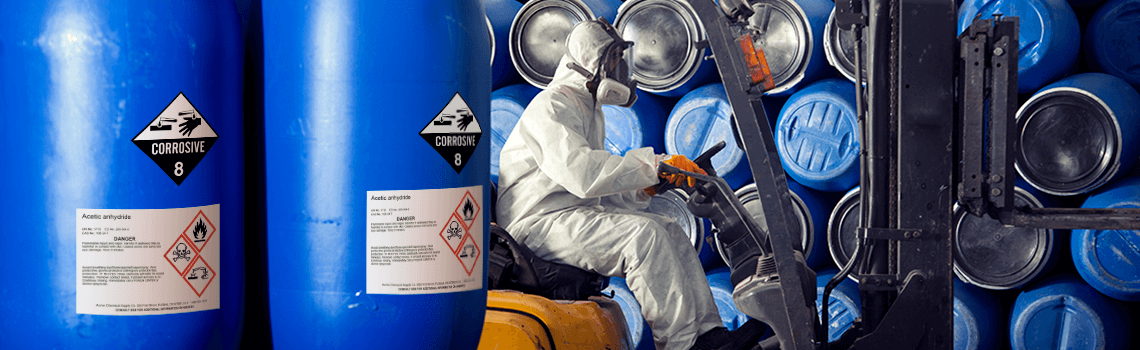
- Labels must be used for hazardous materials when they are being transported.
- Any person who offers a hazardous material for transportation must label the package or containment device.
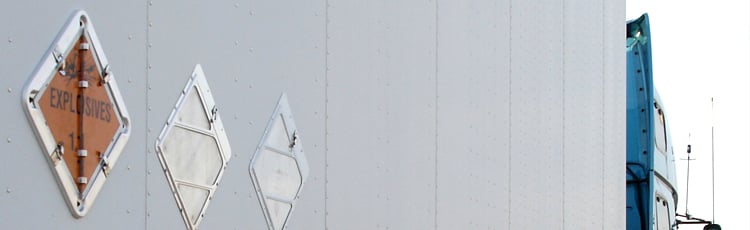
- Section 172.411 through 172.448 shows the designs for specific types of DOT shipping labels.
For companies under time pressure, hazmat shippers in a rush, the transportation and compliance process does not have to be a daunting task. Companies can avoid costly fines, rejected shipments, and other incidents in transit by combining a safe mindset with the utilization of valuable safety educational resources and industrial-grade materials. Identify materials and their hazards, mark the materials for shipment, and document as well as make a record of the shipment for future use.
Hazmat Shipping Mistakes and Costly Penalties
Recently, a corrosive wood cleaner leaked from a shipment at a package sorting facility in Kentucky. The Columbus, Ohio distribution company responsible for the shipment agreed to a $63,000 civil penalty to settle allegations that it failed to properly mark and label the package or complete shipping papers. In another case at the same facility, a Korean-based company paid $72,000 after shipments of flammable solvents, paint, and resins were found leaking, with similar failures tied to packaging, marking, labeling, and shipping papers under DOT requirements and hazmat shipping regulations.
Each year, scores of companies fail to meet basic hazmat shipping requirements. Lapses in hazmat transportation procedures can injure shipping workers, harm the environment, and create costly recovery work and backlogs. These failures are preventable when employees involved in preparing shipments follow consistent packaging and documentation practices and receive regular hazmat training.
Ship Hazardous Materials with Confidence
Shipping hazardous materials requires an attention to detail and understanding of rules
and regulations. Reduce the risks involved in hazardous material transportation and accomplish shipping goals simply and practically. Learn the process of safely shipping hazardous materials through simple tips, easy compliance steps, and efficient communication with the free, downloadable Shipping Hazardous Materials guide. Understand classification, labeling, and documentation for DOT shipping compliance. Use labels made with the toughest material to withstand harsh chemicals, weather, and rough shipping processes.
.png)