.png)
What are the Risks of Working in Cold Weather?
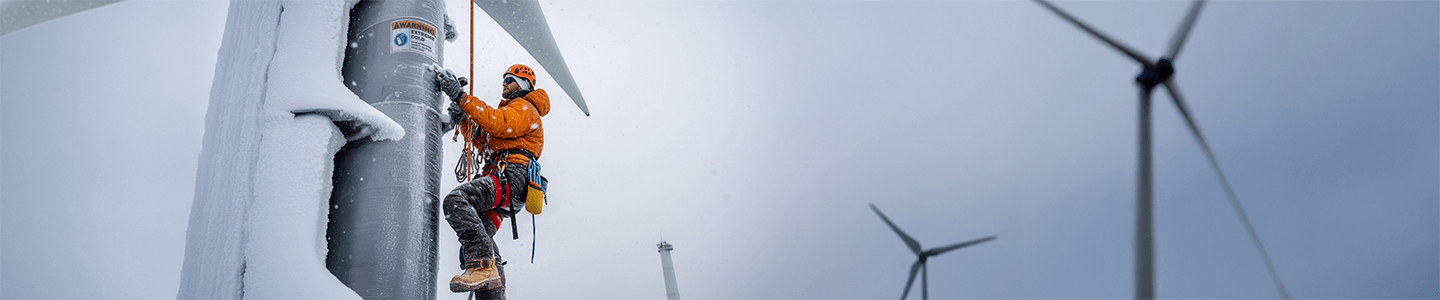
Working on wind turbines or towers in cold weather often include temperatures as low as -20°F, wind gusts exceeding 50 mph, and ice-coated structures that make every climb perilous. These conditions present serious cold weather safety concerns for tower climbers and wind energy technicians. Climbing becomes especially dangerous when wind conditions make walking nearly impossible or when safety cables are coated in thick layers of ice. In such scenarios, delaying the climb is often the best way to avoid unnecessary risks and support winter workplace safety.
Winter tower work also amplifies physical challenges. Extra layers of clothing reduce mobility, slippery surfaces increase hazards, and high altitudes intensify cold and wind exposure. Snow or ice on tower climbing pegs adds to the difficulty, making every step a potential hazard. If conditions are too extreme, waiting a few days is often the safest option, as the long-term performance of a wind turbine is rarely impacted by such short delays. This approach reflects practical cold weather work safety tips used across the industry.
Preparing for Winter Tower Work and Cold Weather Safety
Proper preparation is key to managing risks and completing tasks safely in cold environments. Technicians must rely on a combination of specialized personal protective equipment (PPE), planning, and awareness of their surroundings to maintain cold weather safety during winter operations.
Specialized Gear
Layered clothing is essential for staying warm and protected. Full fleece, ski goggles, face masks, and waterproof outer layers help block the cold and wind. Gloves with gauntlets are a smart choice for preventing exposed skin between the jacket and gloves, while insulated, waterproof boots with non-slip soles provide critical traction on icy or snow-covered surfaces—an important consideration for winter workplace safety.
Harnesses and other fall protection gear must be adjusted for winter conditions. Extra layers often require harnesses to be resized or fitted differently. A snug fit is essential to provide proper support, and adjustable straps make it easier to adapt gear to changing conditions. For workers who regularly perform high-altitude tasks in extreme cold, investing in PPE rated for subzero temperatures supports long-term cold weather safety and comfort.
OSHA Standards for Winter Workplace Safety in Winter Climbing
The Occupational Safety and Health Administration's (OSHA) regulations for fall protection, as outlined in 29 CFR 1926.502, apply to all workers climbing structures over six feet high. These standards emphasize the importance of properly fitted fall arrest systems to reduce risks during high-altitude tasks. In cold weather, safety protocols must also address hazards like ice, wind chill, and slippery surfaces. Employers need to factor in seasonal risks and implement measures that reinforce winter workplace safety and align with proven cold weather work safety tips.
Cold Weather Work Safety Tips for On-Site Safety Practices
Climbing with a partner is a practical way to reduce risks, especially in winter. Having someone nearby provides support in case of emergencies or sudden weather changes. It’s also helpful to keep heat sources at tower bases for warming up during breaks, which contributes to overall cold weather safety.
Timing climbs during daylight hours provides additional safety benefits. Pacing during climbs is also critical—working too quickly can lead to sweating, which increases the risk of freezing in low temperatures. These adjustments are simple but effective cold weather work safety tips.
Strategies for Extreme Conditions and Cold Weather Safety
Working in harsh conditions often requires creative solutions to unexpected problems. For example, wet snow on climbing pegs can be just as hazardous as ice. In such cases, brushing off snow thoroughly before climbing can make a significant difference in safety. Additionally, monitoring weather conditions closely allows teams to anticipate risks and adjust schedules accordingly to support winter workplace safety.
While it may be tempting to push forward despite adverse conditions, safety must always take priority. A short delay in work is far less costly than the consequences of an accident caused by icy surfaces, extreme wind, or freezing temperatures.
The Role of Durable Labels and Signs in Winter Workplace Safety
While PPE and preparation are essential, clear communication is just as important for maintaining cold weather safety. Signs and labels help workers stay informed about hazards, weather updates, and site-specific protocols.
Practical Applications of Safety Signage
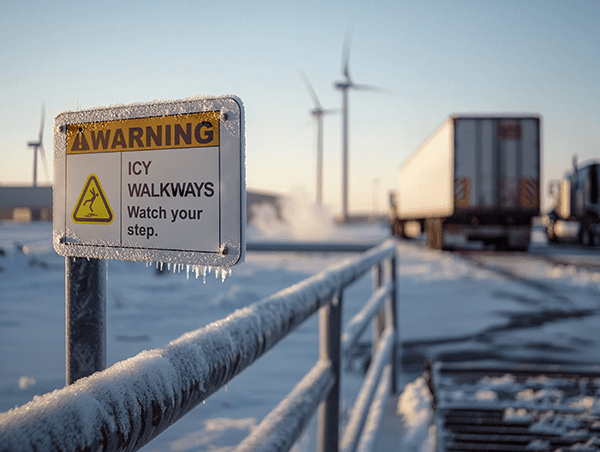
- Warning Signs: Messages like "Caution" or "Danger" alert individuals to hazardous conditions around the tower, emphasizing risks such as falling ice, high winds, or slippery surfaces.
- Wind Chill Charts: These can show how hypothermia sets in under different wind and temperature combinations. Posting them at entry points helps workers assess conditions before starting tasks and reinforces cold weather work safety tips.
- Forecast Displays: Visuals showing three-day weather outlooks help teams plan climbs around safer conditions.
DuraLabel’s extreme-temperature labeling solutions are designed to withstand even the harshest conditions. With supplies rated for temperatures as low as -65°F, these labels stay durable and readable in freezing environments. Whether marking hazards, equipment, or inventory, they add an extra layer of protection for outdoor tasks and support consistent winter workplace safety.
Additional Winter Safety Challenges and Cold Weather Safety Solutions
Winter tower work involves a variety of hazards that go beyond cold temperatures and high winds. From ice formation to cold-related health concerns, each challenge demands specific strategies to maintain safety and productivity. Below are some of the most critical risks and ways to address them effectively.
Ice Formation
Ice is one of the most dangerous aspects of winter tower work. Metal structures freeze faster than the ground, creating slippery surfaces on climbing pegs, platforms, and safety cables. Morning dew often turns into a thin layer of ice that’s difficult to see but highly dangerous. Allowing sunlight to hit towers can help reduce ice or warm the metal slightly. In extreme conditions, delaying work entirely may be the safest choice. The long-term performance of a wind turbine won’t suffer from a short delay, but rushing into unsafe conditions can have serious consequences.
Cold-Related Health Risks
Cold stress, frostbite, and hypothermia are constant threats. Protecting extremities like fingers, toes, and the face is critical. Gloves designed for dexterity allow technicians to handle tools without exposing their hands to the cold, while face masks and goggles shield against windburn and frostbite. Limiting exposure times in extreme cold also helps prevent impairments to judgment and motor skills, which are vital for working safely at height.
Mental Challenges
Working in freezing conditions isn’t just physically taxing; it can also take a mental toll. Workers may experience reduced focus, slower reaction times, or even decision fatigue when exposed to extreme cold for extended periods. Building in regular breaks and providing heated shelters can alleviate these issues and keep teams alert during critical tasks.
DuraLabel Solutions for Cold Weather Safety
Winter safety requires more than just preparation—it also needs reliable tools that can withstand extreme conditions. DuraLabel® offers a range of products designed to keep your safety communication effective, even in the harshest environments. Whether it's weather-resistant signs, high-visibility labels, or durable floor markings, DuraLabel ensures that your workplace remains safe and well-marked throughout the winter.
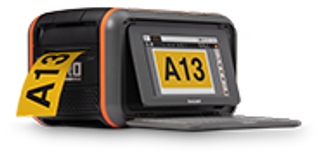
The DuraLabel Kodiak® Max Industrial Sign and Label System is an ideal choice for creating resilient safety visuals. Built to endure freezing temperatures, the Kodiak Max produces clear, long-lasting labels and signs, ensuring your safety messages are always visible and reliable, no matter the weather.
Take your winter safety strategy to new heights with DuraLabel’s durable sign and labeling solutions. Download the free Slips, Trips, and Falls Prevention Guide to learn more about minimizing these hazards. You can also contact us today at 1-888-789-4864 to discover how we can help you maintain a safe and efficient workplace this winter.
Read Next:
Prevent Slips, Trips, and Falls
OSHA Recommendations for Cold Stress Prevention

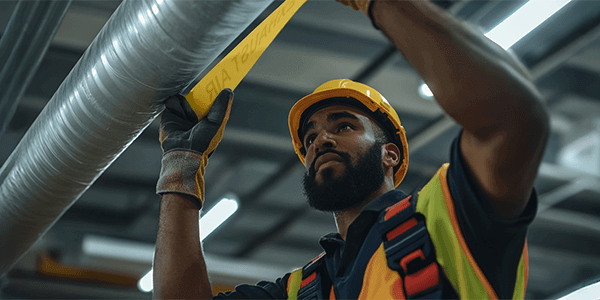
Why Custom Industrial Labels Matter for Mechanical Job Sites
How Do Custom Industrial Labels Improve Safety and Organization on Job Sites? Mechanical job sites are ...
Read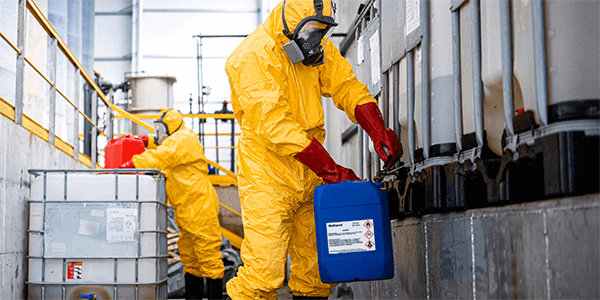
Why Worksites Need an Outdoor Label Printer for Extreme Environments
How Can Labels Stay OSHA-Compliant in Harsh Environments? Labeling for extreme environments while maintaining ...
Read
OSHA Work Safety: A Right for Every Worker
How Can Workers Avoid Potential Injuries? The U.S. Bureau of Labor Statistics (BLS)shared its workplace ...
ReadTake Action
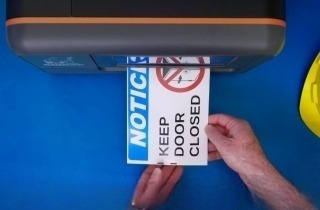
Print Your Own Signs
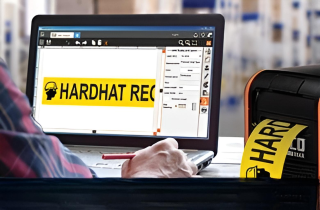
Free Label Design Software