.png)
How Can Arc Flash Injuries Be Prevented on Jobsites?
Arc flash injuries can be prevented on jobsites by de-energizing equipment whenever possible, following lockout/tagout procedures, and completing a job hazard analysis before work begins. Workers should receive regular electrical safety training and use proper arc-rated personal protective equipment, supported by clear markings from arc flash label printers, when energized work cannot be avoided. Clear arc flash labels, warning signs, and floor markings reinforce safe approach distances and PPE requirements, helping reduce the risk of an arc flash injury.
What Are Arc Flash Injuries?
Arc flash injuries occur when an electrical current leaves its intended path and travels through the air from one conductor to another or to the ground, releasing intense heat and energy. An arc flash injury can happen in fractions of a second and cause severe burns, hearing loss, and other electrical injuries. These events often stem from equipment failure, human error, or common arc flash mistakes in unsafe work practices - making electrical safety training and preventing electrical injuries with LOTO essential for anyone exposed to live electrical parts and a core part of electrical hazard prevention.
Here's a jolting fact: Most electrical workers experience a shock while on the job and consider it normal, according to a study by Littelfuse, a circuit protection technologies manufacturer. While shocks, like arc flash, are a known hazard when working with electricity, they can signal that a worker lacks safety understanding. Electrical safety is the law, and mistakes or lack of training can lead to deadly and disastrous consequences, such as arc flash burn.
Review the Data on Arc Flash Injury and Electrical Incidents
Among the Occupational Safety and Health Administration's (OSHA) annual top 10 most frequently cited violations, electrical safety is a common problem in the workplace. In 2018, there were 160 electrical fatalities, 18% more than in 2017, according to the Electrical Safety Foundation International. Yet, the numbers for electrical injuries, like arc flash injury cases and arc flash burn, and deaths are inaccurate, Littelfuse said. This is due to the misclassification in the cause of death for electrical workers in a multi-hazard situation. So, the death rate is likely much higher.
There are standards and rules defined by OSHA and the National Fire Protection Association (NFPA) that aim to protect those working with electricity. NFPA 70E addresses the protocol for arc flash hazard protection, which is a critical component of overall electrical substation safety. OSHA arc flash requirements and regulations focus on general electrical safety and employer responsibilities.
Electricians know the dangers of their work they face each day, whether it is installing new equipment or conducting maintenance. But are shocks "a normal part of the job"? Duralabel asked a group of electricians their thoughts on shocks, working live, and important safety habits to decrease chances of an arc flash accident.
"Sometimes it's unavoidable," said Doug Beaver of Missouri. "Little tingles, while not frequent, are bound to happen. However, regular shocks are not normal and signal a worker is not meant for an electrical profession."
"I spent eight years at a power plant and I am now in substations," said Cory McConnell of Lakeland, Florida. "Sometimes locked out isn't an option and turned off may not always be dead."
"You don't shut down a million-dollar-an-hour line to tie in a new device," said Joel Bradle of Cincinnati. "You just take your time. Always treat hot."
"Electrical is a great life coach," said Matt Ward of Denver. "Never trust someone else, always self-verify, move like the worst could happen, take pride in how you do things, send it!"
"I've been hit by 120 and 277," said Justin West of Pennsylvania. "I learned from those experiences." The mistakes he said he made early in his career have made him the electrician he is today. "I don't work on anything hot now," West said.
"I got hit by 120V and missed a circuit," said Jerry Roland of Maryland. He said he has permanent tingling from his hand to his elbow. "Any voltage can be serious."
Electrical Hazard Prevention to Reduce Arc Flash Injury Risk
The Littelfuse study shows that preventing shocks, like arc flash, requires an increase in safety and work culture. Improving workplace conditions for electricians means having the right, perhaps newer, tools for the job, including personal protective equipment for the type of electrical work and arc flash injury protection. Wearing appropriate arc flash PPE can make a difference that can help prevent arc flash burn.
A few more safety methods that help prevent shocks and support electrical hazard prevention include:
-
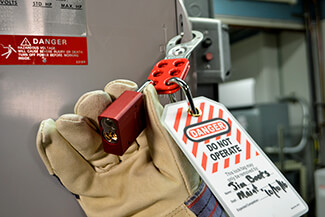
Lockout/tagout: When possible, power down. Lock and tag machinery and equipment to prevent startup or energization before servicing.
- Testing: Use safety precautions while working live and test electrical before any work.
- Technology: Implement better design components and newer, more forgiving systems to help in times of human error.
- Training: Conduct training on a routine and regular basis. Make sure workers understand what they learn and can demonstrate that safety knowledge on every job. Electrical safety training should cover electrical current and voltage, testing, arc flash PPE, zero-energy work, lockout/tagout, and what injuries are associated with arc flash so workers understand the real risks.
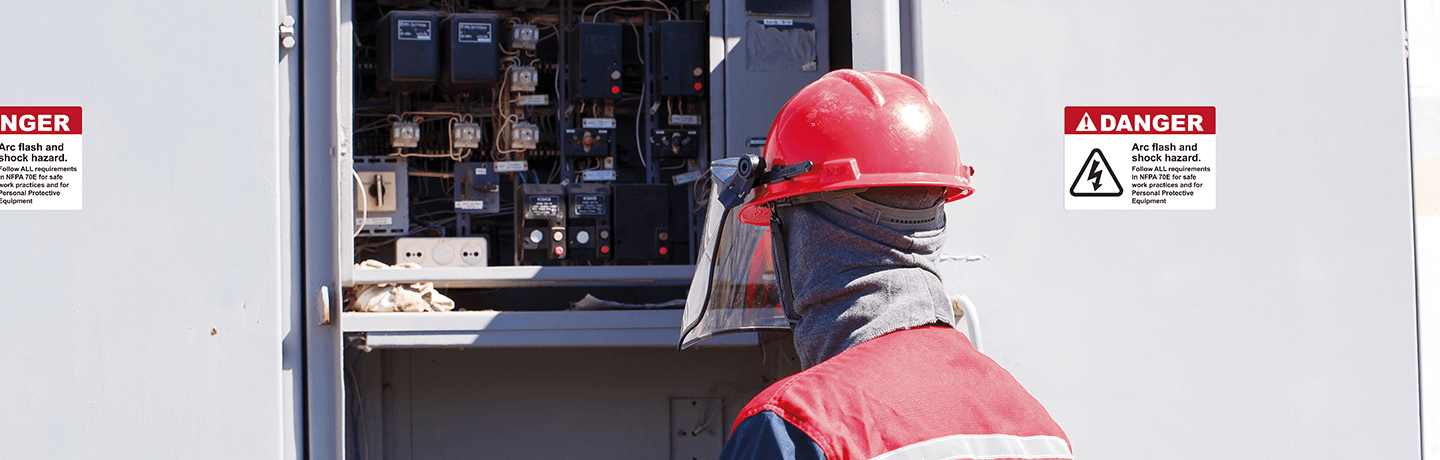
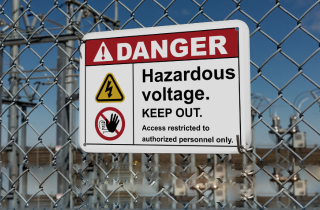
The best way to reduce an arc flash accident is to prevent it. Effective employee training for electrical work should include a thorough job hazard analysis and mitigation using the Hierarchy of Controls. Workplaces can support electrical safety by improving communication and creating a more intuitive work culture. Reinforce safety messages through relevant electrical signs for arc flash and identification. Outline incident energy and safe working distance with floor markings. Replace or update information as the job or equipment changes.
DuraLabel Resources for Arc Flash Injury Prevention
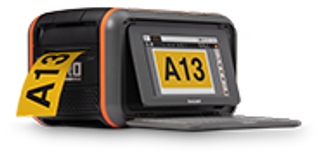
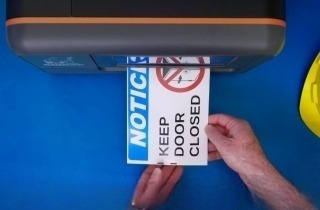
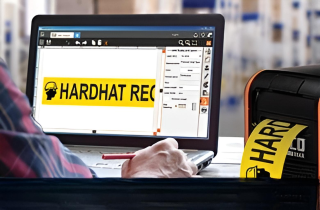
Easily design and print arc flash signage any time and anywhere you need them with DuraLabel's Kodiak Max Industrial Sign and Label System. This printer also serves as an excellent facility-wide industrial labeling system to print signs and labels for all kinds of applications and environmental conditions indoors and out, supporting clear communication and electrical hazard prevention.
Get help crafting a system that will provide the safety communication you need. Call 1-888-902-2148 and one of our experts will guide you through the process.
Learn more about electrical safety with the DuraLabel Electrical Safety Instant Action Guide. This guide will improve your warehouse electrical safety by meeting OSHA arc flash requirements and utilizing visual communication. Download our free guide on electrical safety below.
Read Next:

Arc Flash Safety in the Workplace: 5 Mistakes to Avoid
How Can Arc Flash Risks Be Identified? Arc flash risks can be identified by evaluating electrical systems, ...
Read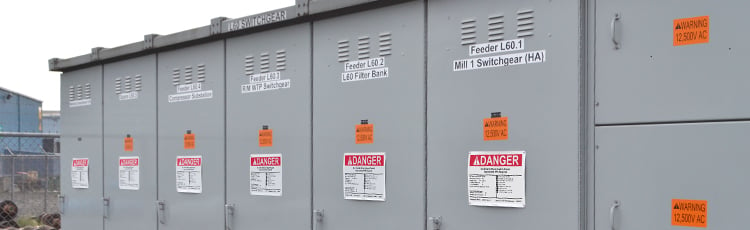
Strengthen Electrical Safety Through Effective Arc Flash Training
What Electrical Safety Hazards Put Workers at Risk? Electricity powers the modern workplace. Motors, ovens, ...
Read
How to Improve Arc Flash Hazard Safety in Mining Operations
How Can Mining Teams Reduce the Risk of Arc Flash Hazards? Mining operations depend heavily on electrically ...
ReadTake Action
Print Your Own Signs
Free Label Design Software
%20(1).webp)