.png)
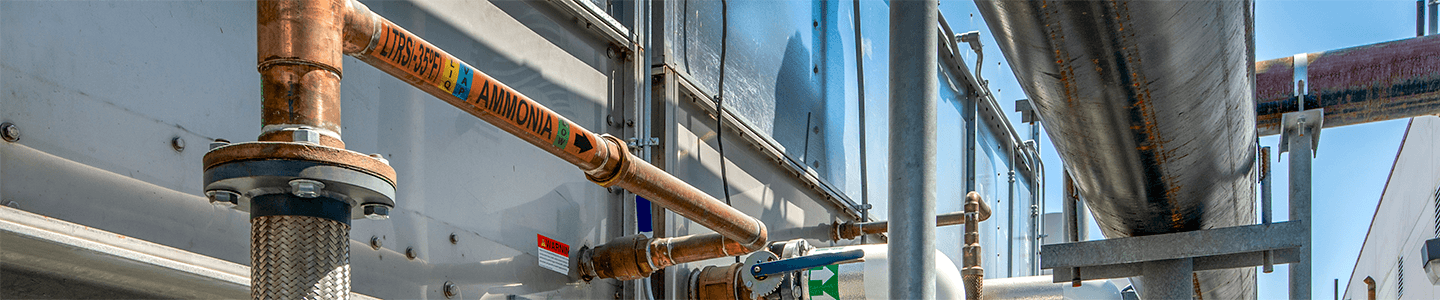
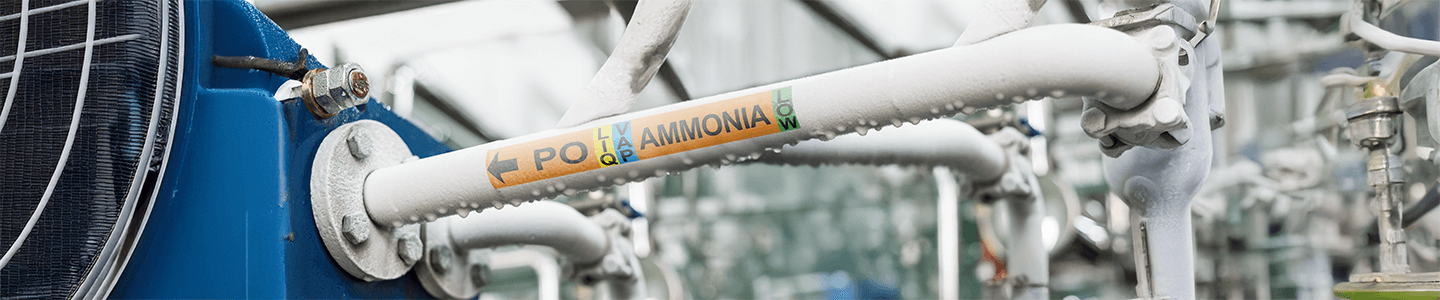
Industrial refrigeration system with clearly labeled ammonia piping for safe identification.
What Are the Best HVAC Labeling Materials for Refrigeration and Mechanical Systems?
The best HVAC labeling materials for refrigeration and mechanical systems include industrial vinyl, polyester label stock, and high-tack adhesive materials. These materials resist condensation, temperature swings, chemical exposure, and vibration, helping labels stay legible and securely in place in harsh environments.
When facilities use label materials engineered for moisture, cold temperatures, and mechanical wear, HVAC labeling stays legible and secure. This supports fast identification of piping, equipment, and hazards, improving safety, efficiency, and compliance.
The sections below break down the key factors that impact HVAC labeling performance:
- Why HVAC and refrigeration systems damage standard labels
- Where HVAC labeling is most critical
- How to choose label materials that support reliable HVAC labeling
- How durable HVAC labeling improves safety and efficiency
- Why facilities print HVAC labeling in-house
Why Do HVAC and Refrigeration Systems Damage Standard Labels?
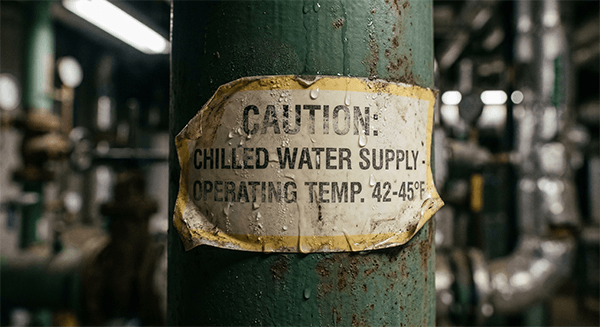
Worn HVAC equipment labels can become unreadable in harsh mechanical environments.
Mechanical rooms and refrigeration systems create challenging environments for labeling materials. Cold surfaces generate moisture, equipment runs continuously, and maintenance procedures often involve chemical cleaners.
A typical HVAC installation includes compressors, pumps, air handlers, condensers, valves, and extensive piping networks. Every component may require identification labels, hazard warnings, or maintenance instructions. In refrigeration facilities, especially ammonia refrigeration systems, labels must remain visible despite cold temperatures and high humidity.
Several environmental conditions frequently cause label failure in these systems:
- Condensation and moisture: Cold refrigeration pipes often collect moisture, weakening standard adhesives and causing labels to peel.
- Temperature extremes: Mechanical rooms may experience freezing temperatures as well as elevated heat near compressors and motors.
- Chemical exposure: Coil cleaners, degreasers, and disinfectants can fade print or damage adhesives.
- Mechanical vibration: Compressors and fans create continuous vibration that can loosen poorly adhered labels.
When labeling fails in these environments, the consequences go beyond appearance. Technicians may need to trace piping systems manually, confirm equipment identification before servicing units, or search for missing safety instructions.
In large refrigeration systems, this can slow maintenance work and increase the risk of operational errors. Durable labels for mechanical environments help facilities maintain clear identification and avoid these disruptions.
Where Is HVAC Labeling Most Critical?
HVAC systems require consistent labeling across multiple components to support safe operation and maintenance. Durable labeling is especially important in three key areas.
Refrigeration Pipe Labels
Large refrigeration systems often include extensive piping networks carrying ammonia, chilled water, glycol, or refrigerant. Well-placed refrigeration pipe labels allow technicians to quickly identify pipe contents and flow direction during inspections or repairs.
ANSI/ASME A13.1 pipe marking standards establish color conventions and placement guidelines for pipe identification. Durable pipe markers help technicians isolate valves, verify system connections, and respond quickly during maintenance or emergency situations.
In ammonia refrigeration systems, highly visible refrigeration pipe labels help workers identify ammonia lines and follow appropriate safety procedures when servicing equipment.
HVAC Equipment Labels
Technicians rely on HVAC equipment labels to identify compressors, pumps, motors, and air handling units. Labels often include asset numbers, voltage ratings, or service instructions to confirm the correct equipment before maintenance. Clear HVAC equipment labels reduce confusion and improve efficiency in mechanical environments.
Safety and Hazard Communication Labels
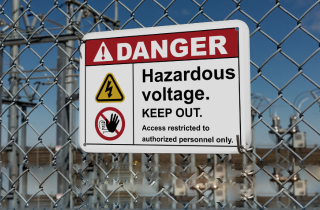
Mechanical rooms contain numerous hazards, including electrical systems, pressurized piping, and refrigerant exposure. Safety labels communicate warnings, PPE requirements, and lockout/tagout procedures.
These labels guide safe work practices for technicians performing routine maintenance or emergency repairs. When labels remain intact and readable, they help reinforce hazard awareness across the workforce.
How Do Facilities Choose Label Materials That Support Reliable HVAC Labeling?
Selecting the right material is essential for creating durable labels for mechanical environments. HVAC systems expose labels to moisture, chemicals, and temperature fluctuations that quickly degrade standard label materials.
Facilities that want a deeper comparison of industrial label materials can also explore which materials work best for harsh environments.
Best Label Materials for HVAC and Refrigeration Environments
|
Label Material |
Best Applications |
Key Benefits in HVAC Environments |
|
Premium vinyl label stock |
Pipe markers, equipment identification, mechanical room signage |
Flexible material that adheres well to curved surfaces and resists moisture and temperature changes |
|
Polyester label materials |
Equipment labels, safety labels, electrical panels |
Strong resistance to chemicals, oils, and cleaning solutions used during maintenance |
|
High-tack adhesive labels |
Insulated piping, textured metal surfaces, compressors |
Extra-strong adhesive bonds securely to rough, oily, or uneven surfaces |
Premium Vinyl Label Stock
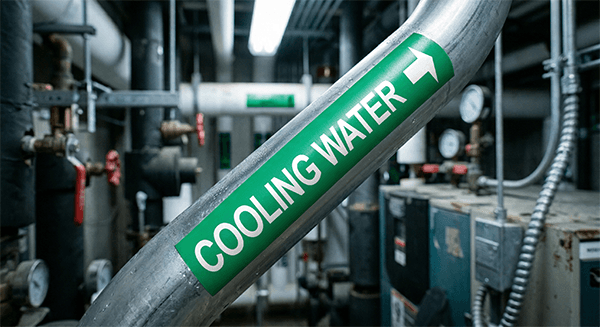
Durable HVAC labeling remains legible on pipes exposed to moisture and temperature changes.
Premium vinyl label stock provides excellent durability for general HVAC labeling applications. This flexible material adheres well to curved surfaces such as pipes and conduit while resisting moisture and environmental exposure.
It also remains flexible in cold environments, helping labels maintain strong adhesion across the temperature swings commonly found in refrigeration systems.
Polyester Label Stock
Polyester label stock delivers strong resistance to chemicals, oils, and cleaning solutions. These labels perform well in mechanical rooms where technicians regularly apply cleaners or degreasers during maintenance.
Polyester labels maintain print clarity and adhesion despite exposure to substances that might damage standard label stock.
High-Tack Adhesive Labels
Some HVAC surfaces present additional adhesion challenges. Painted metal panels, textured enclosures, and insulated piping can prevent ordinary labels from sticking securely.
High-tack adhesive label stock addresses this issue. The stronger adhesive bonds to uneven or slightly oily surfaces, helping labels remain in place despite vibration and temperature changes.
Facilities often rely on high-tack materials when labeling compressors, electrical panels, and insulated piping systems.
How Does Durable HVAC Labeling Improve Safety and Efficiency?
Reliable HVAC labeling supports both safety communication and operational efficiency in mechanical environments.
When labels remain readable, technicians can quickly locate the information needed to perform maintenance safely and accurately. Durable labels for mechanical environments help facilities achieve several operational advantages:
- Faster maintenance and troubleshooting: Clear equipment and pipe identification reduces time spent locating system components.
- Improved regulatory compliance: Durable labeling supports hazard communication and system identification requirements.
- Stronger workplace safety: Visible hazard warnings reinforce awareness of risks such as ammonia exposure and electrical hazards.
Facilities that invest in durable labeling materials create more organized and efficient mechanical environments. Workers spend less time searching for information and more time performing maintenance safely.
Why Do Facilities Print HVAC Labeling In-House?
HVAC systems change over time as equipment upgrades and piping modifications occur. These changes often require labeling updates throughout the life of a facility.
Facilities that print labeling in-house can replace damaged labels immediately, update HVAC equipment labels during maintenance work, and create new refrigeration pipe labels when systems change. This makes labeling part of routine maintenance instead of a separate project.
DuraLabel HVAC Labeling Tools and Resource
Mechanical environments demand labeling systems built for harsh conditions. Facilities that rely on office printers or laminated labels often have to replace them more frequently.
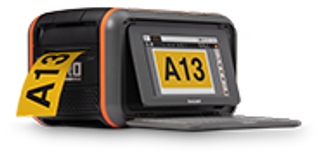
The DuraLabel® Toro® Max Industrial Sign and Label System allows maintenance teams to produce durable labels directly in the mechanical room. This thermal transfer printer creates smudge-resistant labels on industrial vinyl and specialty materials designed to withstand moisture, temperature swings, and vibration.
Facilities use Toro Max to produce refrigeration pipe labels, HVAC equipment labels, and hazard warnings for mechanical systems. Because labels can be printed on demand, technicians can replace damaged labels immediately and maintain consistent identification across the HVAC system.
Download the free HVAC Labeling Quick Start Guide to learn how proper labeling helps prevent accidents, reduce downtime, and maintain compliance. The guide covers best practices for labeling ducts, piping, refrigeration lines, and electrical components across HVAC systems.
For help with HVAC labeling or labeling refrigeration equipment, speak with a DuraLabel expert at 1-888-789-7964 to find the right labeling solution for your facility.
Read Next:
Top 5 Challenges Mechanical Project Managers Face
Industrial Labeling Software for Workplace Safety and Compliance
What New HVAC Codes Means for A2L Refrigerant Regulations
Starting in 2025, updates to the International Mechanical Code (IMC), International Building Code (IBC), and ...
Read.png)
8 Essential HVAC Installation Tips to Prevent Costly Mistakes
HVAC Installation Done Right: 8 Essential Tips to Prevent Costly Mistakes Preventing costly HVAC installation ...
Read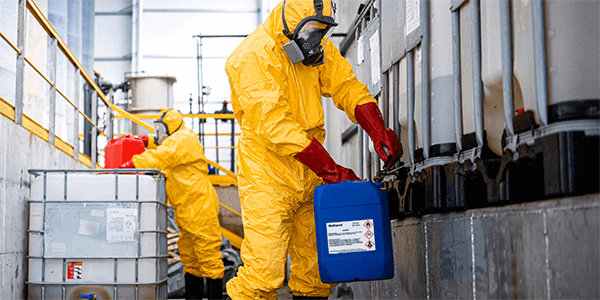
Why Worksites Need an Outdoor Label Printer for Extreme Environments
How Can Labels Stay OSHA-Compliant in Harsh Environments? Labeling for extreme environments while maintaining ...
ReadTake Action
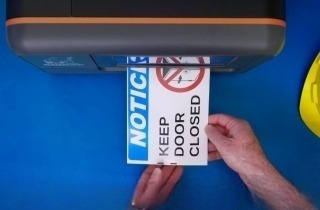
Print Your Own Signs
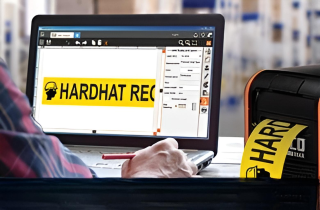
Free Label Design Software