.png)

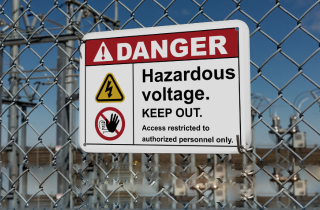
PPE includes protective equipment designed to reduce exposure to specific workplace hazards.
What Does PPE Stand For?
PPE stands for personal protective equipment. It includes clothing and equipment designed to protect workers from specific hazards that could cause workplace injuries or illnesses. Depending on the job, PPE includes safety glasses, gloves, hard hats, protective footwear, hearing protection, and respiratory protective equipment. PPE is worn to minimize exposure to hazards when other controls cannot fully eliminate the risk.
Understanding PPE requirements starts with identifying the hazards employees may encounter and determining the appropriate protection for each task.
Why Is PPE Important for Workplace Safety?
Workplace safety hazards can take many forms. Flying debris can injure the eyes; excessive noise can damage hearing; hazardous substances can affect the skin or respiratory system; and electrical hazards can cause severe burns or other injuries.
Personal protective equipment creates a barrier between the worker and these hazards to help reduce the risk of injury or illness. However, PPE should work alongside other methods of controlling hazards. Occupational Safety and Health Administration (OSHA) guidance states that employers should use feasible engineering and work practice controls to eliminate or reduce hazards before relying on PPE for protection.
For example, machine guarding may reduce employee exposure to moving components. Employees performing certain tasks around the equipment may still need safety glasses, gloves, or other appropriate PPE based on the remaining hazards.
What Are the Different Types of PPE?
The appropriate type of PPE depends on the work environment, the specific hazard, and the task being performed. Different forms of PPE are designed to protect the wearer from hazards ranging from flying particles and excessive noise to chemicals and electrical exposure.
|
Type of PPE |
Common Examples |
Potential Hazards |
|
Eye and face protection |
Safety glasses, goggles, face shields |
Flying particles, chemical splashes, eye and face hazards |
|
Head protection |
Hard hats |
Impact and certain electrical hazards |
|
Hand protection |
Gloves |
Cuts, chemicals, heat, electrical hazards |
|
Foot protection |
Safety footwear |
Falling or rolling objects, punctures, certain electrical hazards |
|
Hearing protection |
Earplugs, earmuffs |
Hazardous noise |
|
Respiratory protection |
Respirators |
Certain airborne contaminants |
|
Protective clothing |
Coveralls, aprons, specialized garments |
Chemicals, heat, electrical hazards |
OSHA maintains separate requirements covering several forms of PPE, including eye and face, head, foot, hearing, and respiratory protection.
How Are PPE Requirements Determined?
Selecting PPE starts with a workplace risk assessment or hazard assessment. Under OSHA's general industry requirements, employers must assess the workplace to determine whether hazards are present, or are likely to be present, that require PPE.
The assessment should consider the specific hazards employees face rather than assigning the same equipment to every worker. Construction sites, manufacturing floors, chemical processing areas, and electrical work areas may each require different types of protection.
Consider a worker cutting material on a construction site. The task could expose the worker to flying particles and excessive noise. Appropriate protection may include safety glasses and hearing protection, while other conditions on the site could require additional PPE. OSHA requires appropriate eye or face protection when construction workers face hazards such as flying particles.
Fit also matters. OSHA's construction PPE standard specifically requires employers to provide properly fitting PPE.
What Does OSHA Require for PPE?
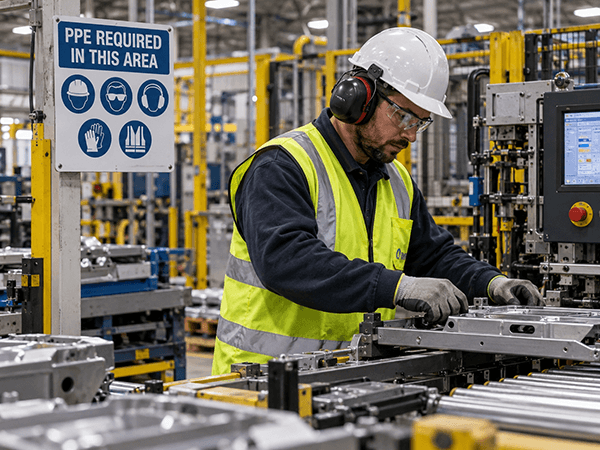
Clear PPE requirements help workers identify the protective equipment needed for specific workplace hazards.
OSHA PPE requirements vary according to the industry, hazard, and equipment involved. In construction, employers must require appropriate PPE when employees are exposed to hazardous conditions or when OSHA standards call for the equipment.
A workplace PPE program should address:
- The hazards present in the work area
- The PPE needed for specific tasks
- Proper selection and fit
- Employee training and correct use
- Inspection, maintenance, and replacement
Clear communication also supports an effective PPE program. Safety signs and labels can identify areas where specific PPE is required, while equipment labels can communicate hazards employees need to understand before beginning work.
Electrical work provides a clear example. Electrical hazards may require specialized protective equipment based on the task and level of exposure. OSHA's construction standards include requirements for electrical protective equipment such as insulating gloves, sleeves, blankets, and other protective equipment.
DuraLabel® PPE Products and Resources
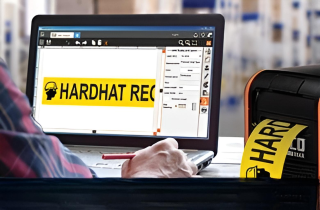
Facilities that need to communicate PPE requirements can create durable safety signs and labels on demand with the DuraLabel Toro® Max Industrial Sign and Label System. Teams can use Toro Max to create PPE requirement signs, equipment identification, electrical safety labels, and other visual communication needed throughout the workplace.
Download DuraLabel's free OSHA Signage Quick Start Guide for a practical overview of OSHA safety sign requirements and workplace visual communication. Use it as a reference when creating signs that communicate hazards, required PPE, and other important safety information.
For specific questions about PPE signs, workplace labeling, or choosing the right labeling system, contact a DuraLabel expert at 888-789-7964.
Read Next:
Arc Flash Labeling Essentials for Industrial Facilities & Field Teams
Everything You Need to Know to Be OSHA Signs and Labels Compliant


Chemical Hazard PPE and How to Protect Workers From Poisons
Which PPE Materials Work Best for Chemical Splash From Poisons? Personal protective equipment (PPE) materials ...
Read
Brewery Safety: Common OSHA Violations and How to Stay Safe
Beer has never been a bigger business in the United States than it is today. The Brewers Association reported ...
Read.webp)
Arc Flash PPE: What Workers Need to Know
Why Does Arc Flash PPE Matter for Worker Safety? Personal Protective Equipment (PPE) is the last line of ...
ReadTake Action
Print Your Own Signs
Free Label Design Software